Why Are Memory and Storage Prices Increasing — And Is It Getting Worse in 2026?
Here’s what we know so far about the sharp rise in memory prices and the industry shifts causing it.
Why We’re Seeing a Massive Memory Chip Price Hike — And What It Means for You
In late 2025, the memory-chip market has entered turbulence — and consumers are feeling the effects. Once-common RAM prices are now surging — and it’s not just a small bump. Recently, major PC builder CyberPowerPC announced that starting December 7 it will raise prices across its prebuilt systems. The company cited a staggering 500% increase in global RAM costs, along with a 100% rise in SSD prices, as the cause.
Similarly, reporting from PC Gamer highlights that both DDR4 and DDR5 memory kits have “nearly doubled” in price since mid-2025 — a dramatic reversal of years of falling prices. What’s driving this surge? The primary culprit appears to be skyrocketing demand from the AI and data-center industry. As companies build out powerful machine-learning servers, they’re gobbling up DRAM, NAND, and other memory chips — leaving less for everyday PCs, laptops and consumer electronics.
For builders, gamers, and anyone thinking of upgrading their PC or buying new hardware: this “memory chip price increase hike” means it might be the worst time in years to buy — unless you really need to. Some 64 GB DDR5 kits are now priced higher than a flagship console.
What You Should Know / Keep an Eye On
The shortage isn’t limited to RAM: NAND flash (used in SSDs) and other storage/memory components are under similar pressure.
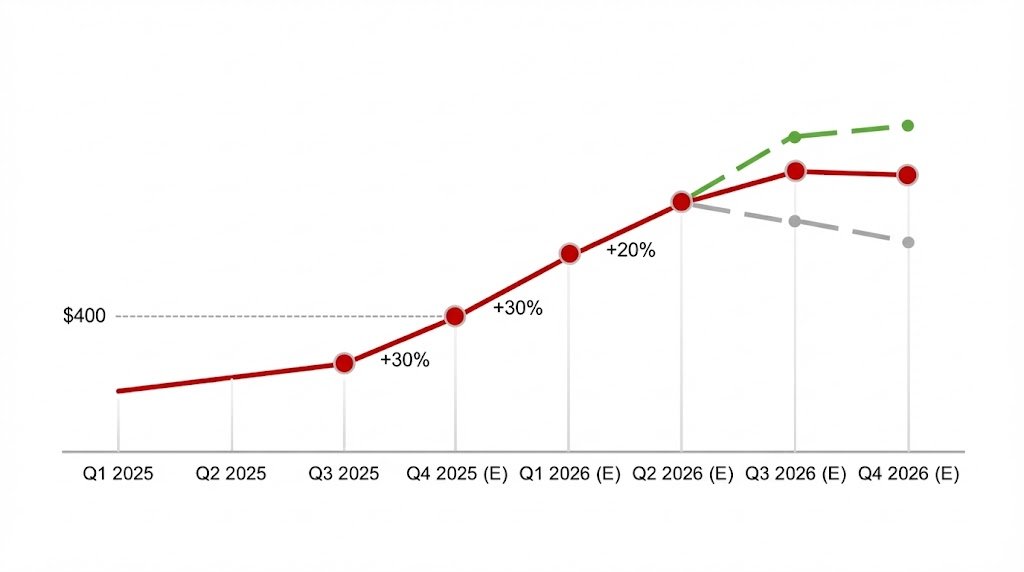
This memory-price inflation is expected to persist into 2026 or even beyond, as manufacturers struggle to keep up with demand and supply constraints.
Some manufacturers and system builders are stockpiling — which may further tighten supply and prolong high prices.
If you were planning a new build, GPU upgrade, or just expanding RAM/storage — now might be a good time to act, before prices climb even further.
Prediction: Where Memory Chip Prices Are Heading Next
Looking ahead, the outlook for the memory market suggests that the memory chip price increase hike may not cool down anytime soon. Industry analysts expect ongoing pressure through 2026, driven primarily by accelerating AI demand, limited fab capacity, and manufacturers prioritizing high-margin enterprise memory like HBM and advanced DDR5 modules. As cloud providers and AI startups continue to compete for supply, consumer DRAM and NAND may see further pricing volatility.
That means we could face another cycle of elevated prices before the market stabilizes. The next major shift may only come when new semiconductor fabs from Samsung, Micron, SK Hynix, and TSMC come online — but many of these won’t reach full output capacity until late 2026 or 2027. Until then, buyers should expect a market defined by scarcity, cautious production, and the possibility of additional price hikes rather than meaningful drops.
If you’re planning upgrades, it’s worth tracking announcements from memory manufacturers and monitoring quarterly supply updates. Short windows of lower prices may appear, but overall, the trend suggests that the memory chip price increase hike is likely to persist longer than many consumers expect.
Final Thought
The current memory-chip price spike isn’t just another seasonal fluctuation — it’s a structural shift in the supply chain, driven by the enormous memory demands of AI infrastructure. For typical PC users and gamers, that translates into steeper costs and fewer deals than we’ve grown used to over the past few years.
If you have been waiting for a sale or an upgrade, consider biting the bullet now — otherwise, you may pay significantly more later.