Physical Address
304 North Cardinal St.
Dorchester Center, MA 02124

If you have tried to put together a parts list for a new gaming PC recently, you have likely experienced “cart shock.” You pick out a decent CPU, a mid-range GPU, and then you get to the memory and storage. Suddenly, your budget-friendly build has ballooned by hundreds of dollars.
The reality of the 2025 hardware market is harsh. Between supply chain friction and the insatiable demand from the AI industry, component prices—specifically for RAM and SSDs—are skyrocketing.
Enter Valve.
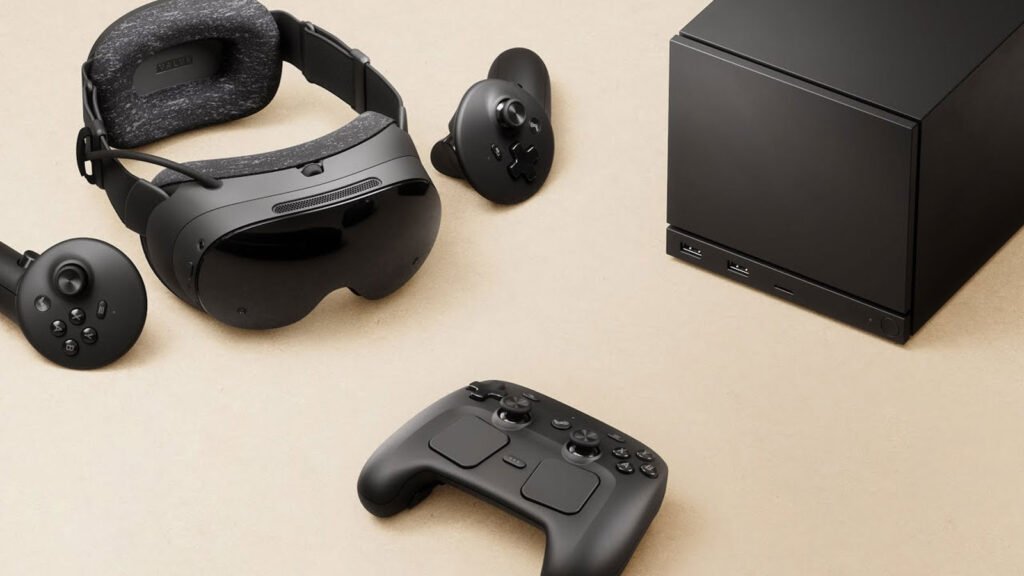
With rumors swirling and detailed hands-on leaks appearing (most notably from Linus Tech Tips), the new Steam Machine looks less like a simple console experiment and more like a financial lifeboat for PC gamers. In this deep dive, we will analyze the specs, the performance, and ultimately explain why the Steam Machine is more reasonable than a current gaming PC due to the RAM price hike.
To understand the value of the new Steam Machine, we first have to look at the disastrous state of the DIY (Do-It-Yourself) market.
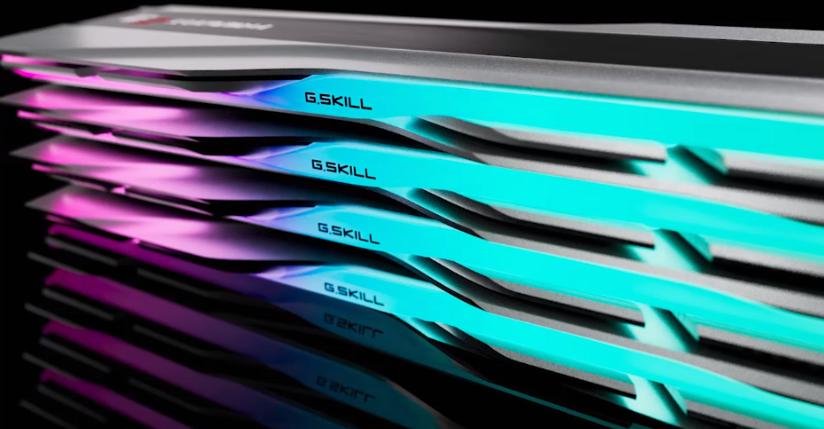
Why is building a PC so expensive right now? It is not just inflation. It is artificial intelligence. The massive data centers powering AI models require astronomical amounts of high-speed memory (DRAM) and fast storage (NAND Flash).
Manufacturers like Samsung, SK Hynix, and Micron have shifted their production lines to prioritize these enterprise-grade chips because that is where the profit is. The result?
Scarcity: There is less DDR5 RAM and NVMe storage available for consumers.
Price Spikes: A 32GB kit of DDR5 RAM that cost $90 a year ago might now push over $150 or more.
SSD Inflation: High-capacity SSDs (2TB+) have seen price jumps of 30-40%.
For a gamer trying to build a system today, this is a nightmare. You are essentially fighting against trillion-dollar AI companies for the same silicon. This is where Valve’s strategy becomes a game-changer.
Valve isn’t just buying parts off the shelf like you or I would at a retail store. They are leveraging their massive scale to build a machine that skirts around these retail price hikes.
Based on recent comprehensive teardowns and visits to Valve HQ, here is what we know about the hardware ticking inside this compact box.
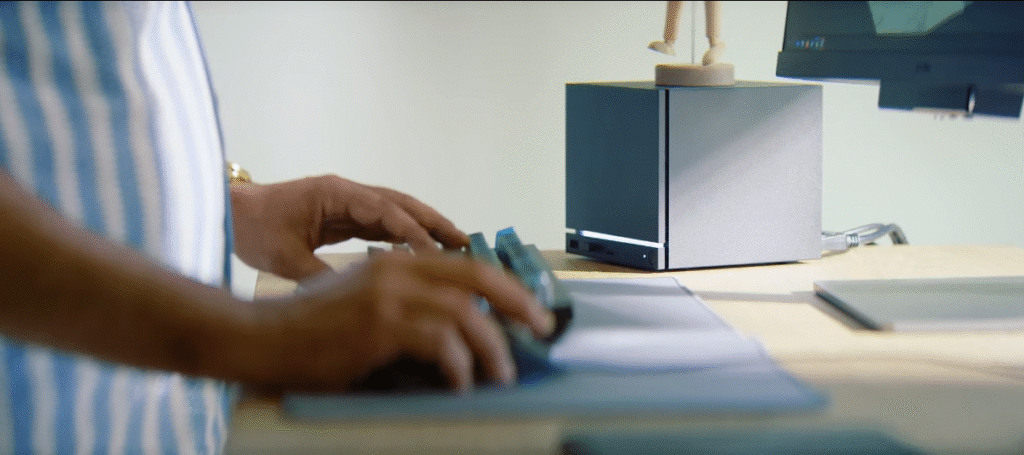
The heart of the machine is a semi-custom AMD 6-core processor. Think of this as a sibling to the Ryzen 5 8400F or the 7540U. However, because it is “semi-custom,” Valve has worked with AMD to tune the power curves. It delivers desktop-class performance but sips power like a laptop, ensuring the system stays quiet and cool in your living room.
This is the star of the show. The GPU is based on AMD’s latest RDNA 3 architecture with 8GB of GDDR6 VRAM. In terms of raw power, it sits comfortably near the Radeon RX 7600M or a desktop RX 6600. While these aren’t the most expensive cards on the market, they are the “sweet spot” for 1080p and 1440p gaming.
Unlike a DIY PC, where you plug a giant GPU into a giant motherboard, the Steam Machine uses a highly integrated, custom motherboard. The RAM is likely soldered or uses compact SO-DIMM slots to save space and cost. By stripping away the unnecessary expansion slots and massive power delivery systems of standard PC parts, Valve cuts manufacturing costs significantly.
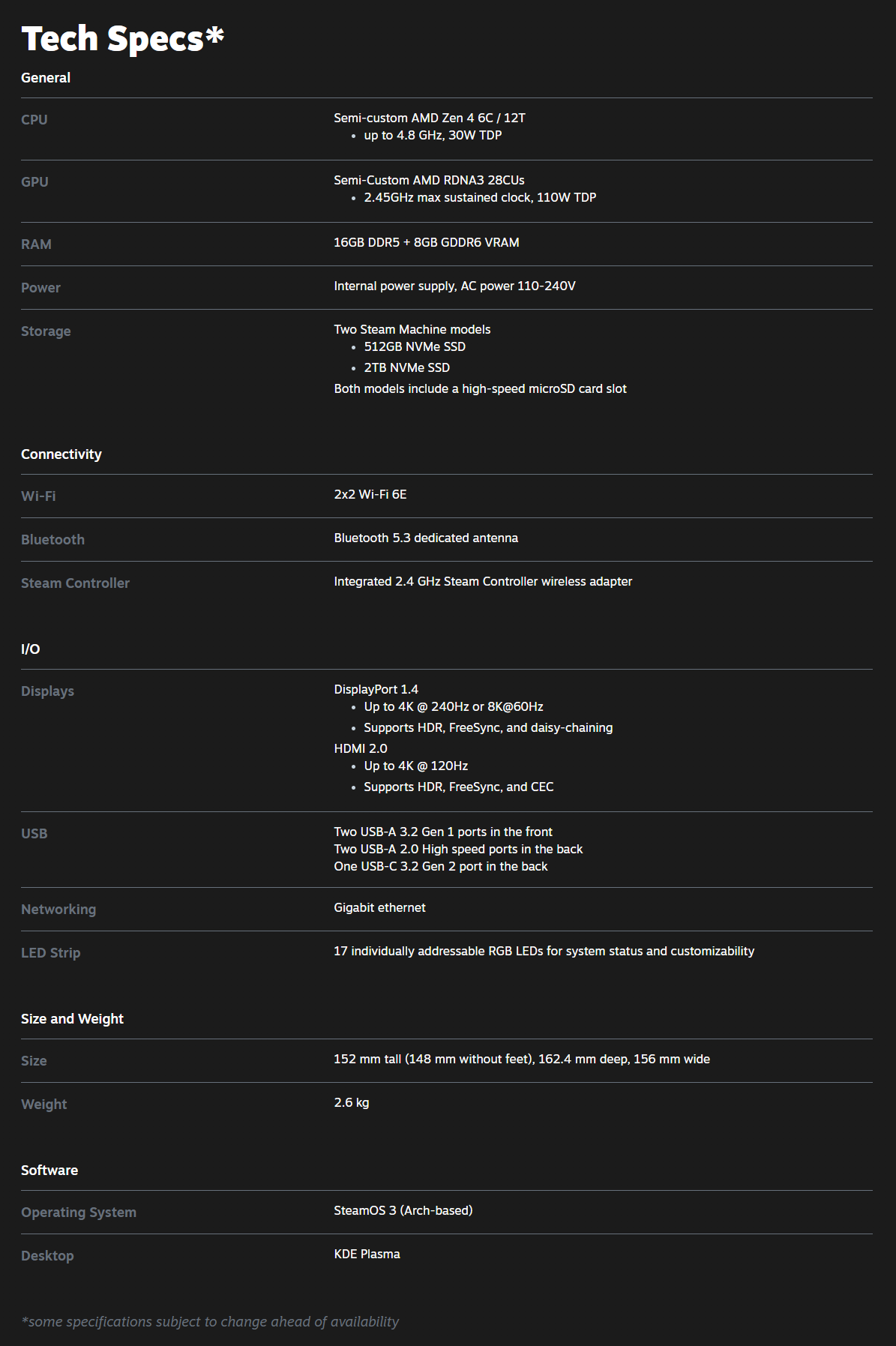
Specs on paper are nice, but frames per second (FPS) are what matter. Can a box this small actually replace a desktop tower?
The answer appears to be a resounding yes.
In early testing using equivalent hardware, the Steam Machine has demonstrated impressive capability.
4K Resolution (Medium Settings): The system manages a playable ~45 FPS.
4K with FSR (Performance Mode): By enabling AMD’s FidelityFX Super Resolution, the frame rate leaps well over 60 FPS.
This is crucial context. We are talking about playing one of the most demanding games ever made, Cyberpunk 2077, at 4K resolution with smooth frame rates.
When placed side-by-side with a PlayStation 5, the Steam Machine holds its own. Visual fidelity is nearly identical, and performance is neck-and-neck.
However, the Steam Machine offers something the PS5 cannot: Flexibility.
Want more FPS? Lower the shadows and turn off Ray Tracing.
Want better visuals? Cap the frame rate at 30 and crank up the textures.
This is the beauty of PC gaming—you are in control, not the developer.
Let’s break down the math. If you tried to build a clone of the Steam Machine today, buying parts from Amazon or Newegg, here is what your receipt would look like:
CPU (Ryzen 5 8400F Equivalent): ~$170
Motherboard (ITX B650 – ITX boards are pricey!): ~$180
GPU (RX 6600 / 7600 Equivalent): ~$200 – $270
RAM (16GB DDR5 – Inflated Price): ~$90 – $120
SSD (1TB NVMe – Inflated Price): ~$80 – $100
Power Supply (SFX 500W): ~$100
Case (Small Form Factor): ~$80
Controller (Gamepad): ~$60
Windows License: ~$100 (unless you run Linux)
Total Estimated DIY Cost: ~$1,085 USD
While Valve has not released the final price tag, industry experts and analysis of bill-of-materials suggest a target price of $699 USD.
Volume Pricing: Valve buys RAM and Flash chips by the millions directly from suppliers, bypassing the retailer markup and the current consumer price spikes.
No “Windows Tax”: The machine runs SteamOS (based on Linux). This saves the cost of a Windows license.
The “Loss Leader” Strategy: Valve doesn’t need to make a huge profit on the hardware. They make money when you buy games on Steam. Hardware manufacturers (like ASUS or MSI) must make a profit on the hardware itself, forcing them to charge you more.
In the current economic climate, building a PC feels like burning money. Buying a Steam Machine feels like getting a subsidized gift from Valve.

Beyond the price, there is the factor of sanity. If you have built a PC recently, you know the struggle: BIOS updates, driver conflicts, Windows 11 forcing updates in the middle of a game, and bloatware.
The Steam Machine offers the console convenience with PC freedom.
SteamOS is Mature: Thanks to the success of the Steam Deck, SteamOS is now incredibly stable. It manages shaders, power consumption, and game compatibility automatically.
Proton Layer: You don’t need to worry about “Linux compatibility.” The Proton compatibility layer is now so advanced that 99% of Windows games run flawlessly on SteamOS, sometimes even better than on Windows due to lighter background processes.
It’s Still a PC: Unlike an Xbox, Valve doesn’t lock you in. If you really want to, you can wipe the drive and install Windows. You can install the Epic Games Store. You can use it for Excel or Photoshop. You own the hardware.
The PC building hobby is currently in a tough spot. The “RAM price hike” is real, and it is draining the wallets of enthusiasts everywhere.
For the first time in a decade, a pre-built system isn’t just “convenient”—it is the financially superior choice. The new Steam Machine offers performance that rivals current-gen consoles and mid-range PCs, but at a price point that the DIY market simply cannot match right now.
If you are looking to upgrade your gaming setup or enter the world of PC gaming without paying the inflated “AI tax” on components, waiting for the Steam Machine is the smartest move you can make.
Key Takeaway: Don’t fight the market. Let Valve absorb the component costs for you.
(Note: Prices and specs mentioned are based on current market estimates and available leaks as of late 2025. Final retail pricing is subject to Valve’s official announcement.)